How Much Does Fence Installation Cost? Factors That Affect Your Estimate
Fence installation is one of the highest-value exterior upgrades you can make to your home, offering immediate returns in security, privacy, and curb appeal. When homeowners start planning a new fence, the first question is almost always about price. Because no two yards are exactly alike, there is no single flat rate for a new fence. Instead, the final estimate is driven by several distinct factors that go beyond just the length of the property line.


Material Choices and Per-Foot Pricing

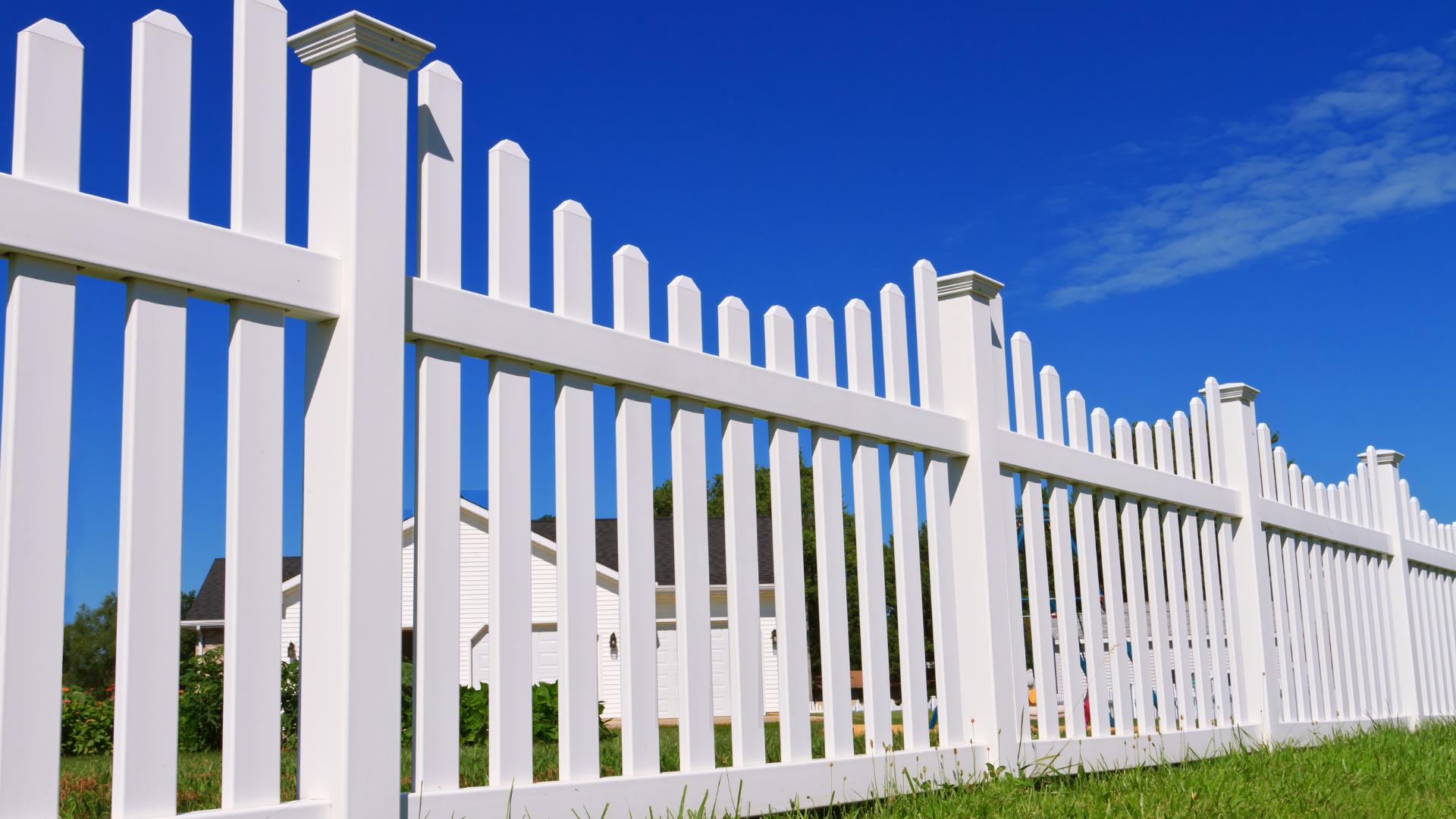
The material you select is the largest variable in your total cost. Classic treated wood, such as pine, typically offers the lowest upfront cost per linear foot, making it an attractive option for large properties. Cedar and redwood sit at a mid-tier price point, offering better natural resistance to rot and insects. Vinyl (PVC) and ornamental aluminum or steel require a higher initial investment, but they dramatically reduce long-term maintenance costs.


Labor and Property Terrain

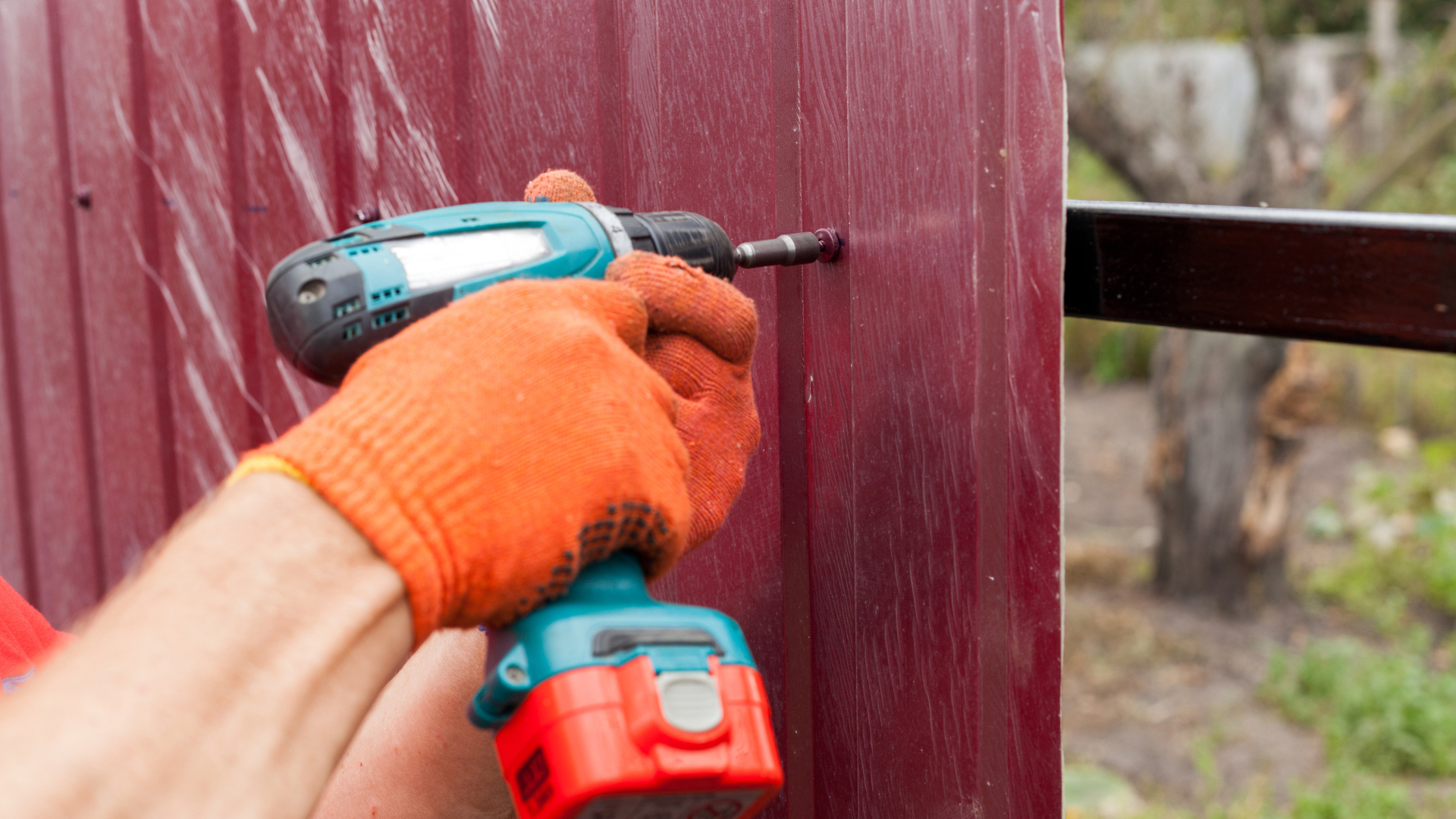
Labor usually accounts for about 50% of your total estimate. If your property is perfectly flat with soft, rock-free soil, installation will be fast and straightforward. However, if your yard features steep slopes, rocky soil, dense tree roots, or requires the removal of an old fence, labor costs will increase. Installers must spend extra time digging specialized post holes, adjusting panels for grade changes (stepping or racking the fence), and hauling away debris.


Gates, Hardware, and Accessories

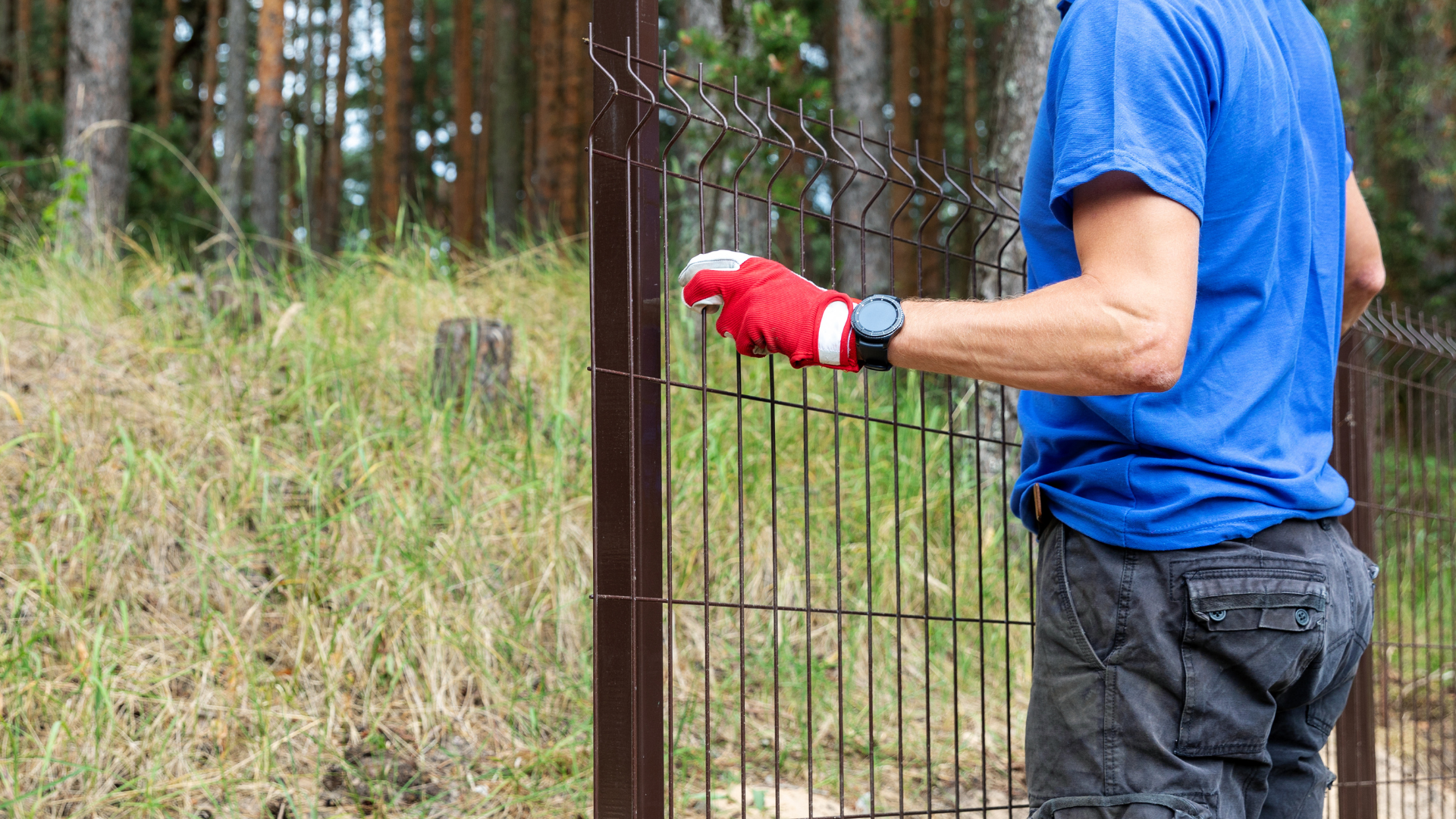
Gates are structurally complex and require heavier posts, precise alignment, and durable hardware. Adding multiple gates, custom widths, or double-drive gates for vehicle access will increase the final bill. This is where investing in premium, American-made components pays off. Upgrading to heavy-duty slide bolt latches, industrial-duty Embassy hinges, and galvanized drop rods prevents gate sagging and reduces future repair costs.
Permits and HOA Approvals

Before any digging begins, you must factor in the administrative costs. Most municipalities require building permits for fence installations, which come with their own fees. If you live in a community governed by a Homeowners Association (HOA), you may also need architectural committee approval, and strict guidelines might force you into a specific, potentially more expensive material or style.


Focusing purely on the lowest initial estimate can sometimes lead to compromised materials. Investing in high-quality structural components, reliable fasteners, and professional labor ensures your fence remains standing straight and your gates swing smoothly through years of harsh weather.
October 28, 2026
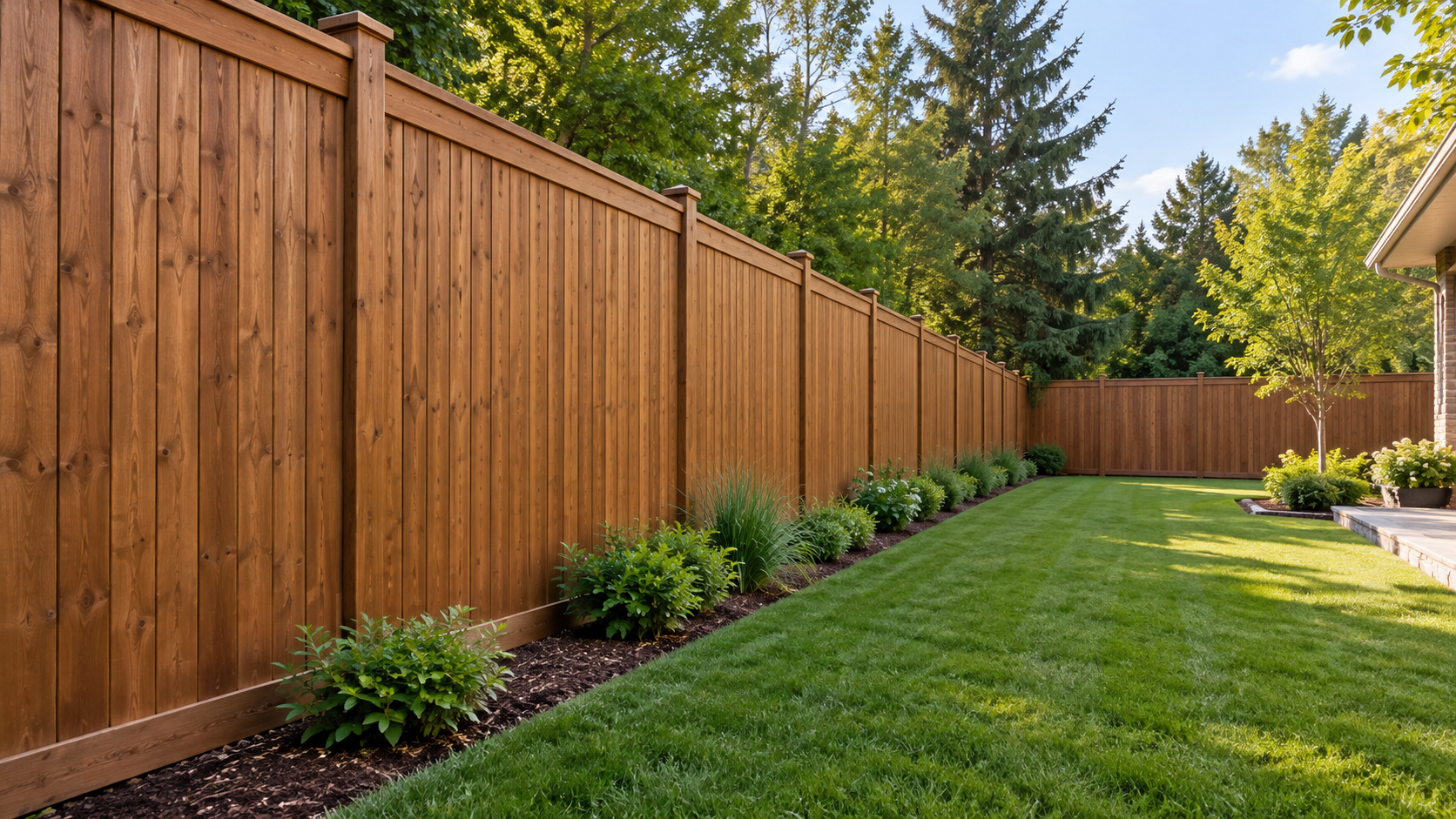
A privacy fence transforms an exposed backyard into a secluded outdoor living space. It blocks prying eyes, reduces neighborhood noise, and provides a safe haven for children and pets. When building a privacy fence, the goal is to eliminate gaps and create a solid barrier, but there are several distinct styles and materials to achieve this, each with its own maintenance requirements. Wood Privacy Styles: Classic and Customizable Wood is the traditional choice for privacy. The two most popular styles are stockade and board-on-board. A stockade fence features tightly placed planks side-by-side. While it provides immediate privacy, wood naturally shrinks as it dries, which can eventually create slight gaps between the boards. Board-on-board (or overlapping) fencing solves this problem by overlapping alternating vertical boards, ensuring total privacy even as the wood expands and contracts. To keep a wood privacy fence looking its best, it must be treated, painted, or stained regularly. Because privacy fences are tall and solid, they act like sails in the wind. This puts immense pressure on the posts and the gate. Reinforcing your heavy wood gates with heavy-duty commercial hinges and secure slide bolt latches is mandatory to prevent the wood from sagging under its own weight. Vinyl Privacy Fencing: Sleek and Low-Maintenance Vinyl privacy fences use interlocking panels that slide into routed posts, creating a completely solid, gap-free wall. Vinyl is incredibly popular for privacy because it offers a clean, uniform look from both sides (often referred to as a "good neighbor" fence).
October 28, 2026
A fence is a defining feature of your property. It dictates how you use your yard, interacts with your home’s architecture, and impacts your daily life. Because a high-quality fence will last for decades, selecting the right one requires a strategic look at your lifestyle needs, aesthetic preferences, and environmental conditions. Identify Your Primary Purpose The most critical step is identifying exactly what you need the fence to do. If your goal is keeping a large dog contained, you need a tall, solid barrier with a heavy-duty latch that cannot be nudged open. If you are enclosing a pool, you are legally required to meet strict safety codes regarding height, picket spacing, and self-closing, lockable gate hardware. If you just want to mark a property line without blocking the view, a split-rail or classic picket fence is the perfect solution. Complement Your Home’s Architecture Your fence should act as an extension of your home. A Victorian or Colonial house pairs beautifully with traditional white pickets or ornamental metal. A modern, minimalist home benefits from sleek horizontal wood slats or clean vinyl panels. A rustic farmhouse is perfectly framed by a post-and-rail setup. Matching the material and style to your home's existing design boosts curb appeal and property value. Prioritize Gate Functionality People often spend weeks choosing fence panels while treating the gate as an afterthought. The gate is the only moving part of your fence, making it the most vulnerable point of failure. When choosing your fence, factor in the exact type of gate hardware you will need. Heavy privacy fences require industrial-duty hinges and galvanized drop rods to handle wind resistance and daily use. Selecting premium gate hardware from the beginning ensures you won't be dealing with dragging gates six months after installation.
October 26, 2026
Choosing between vinyl and wood fencing is the most common dilemma for property owners. Both materials offer distinct advantages depending on your budget, your willingness to perform maintenance, and the architectural style of your home. Understanding the core differences between these two popular options will help you make a long-term investment you won't regret. The Appeal of Wood Fencing Wood provides a classic, warm, and natural aesthetic that seamlessly blends into outdoor environments. It is highly customizable; you can cut it to any height, shape the pickets, and paint or stain it to match your home's trim. Wood is also generally more affordable upfront, making it a budget-friendly option for enclosing large backyards. However, wood is an organic material susceptible to the elements. It requires rigorous ongoing maintenance. To prevent rot, warping, and insect damage, a wood fence must be power-washed and re-stained or painted every two to three years. Furthermore, heavy wood gates are prone to sagging over time, meaning you must pair them with industrial-grade gate hinges and structural post stiffeners to keep them functional. The Advantages of Vinyl (PVC) Fencing Vinyl fencing is engineered for durability and low maintenance. It does not rot, blister, splinter, or attract termites. A quick wash with a garden hose or a mild detergent is usually all it takes to keep a vinyl fence looking brand new. Vinyl is incredibly strong and flexible, allowing it to withstand high winds and harsh weather better than traditional wood.