How to Choose the Right Fence for Your Home
A fence is a defining feature of your property. It dictates how you use your yard, interacts with your home’s architecture, and impacts your daily life. Because a high-quality fence will last for decades, selecting the right one requires a strategic look at your lifestyle needs, aesthetic preferences, and environmental conditions.
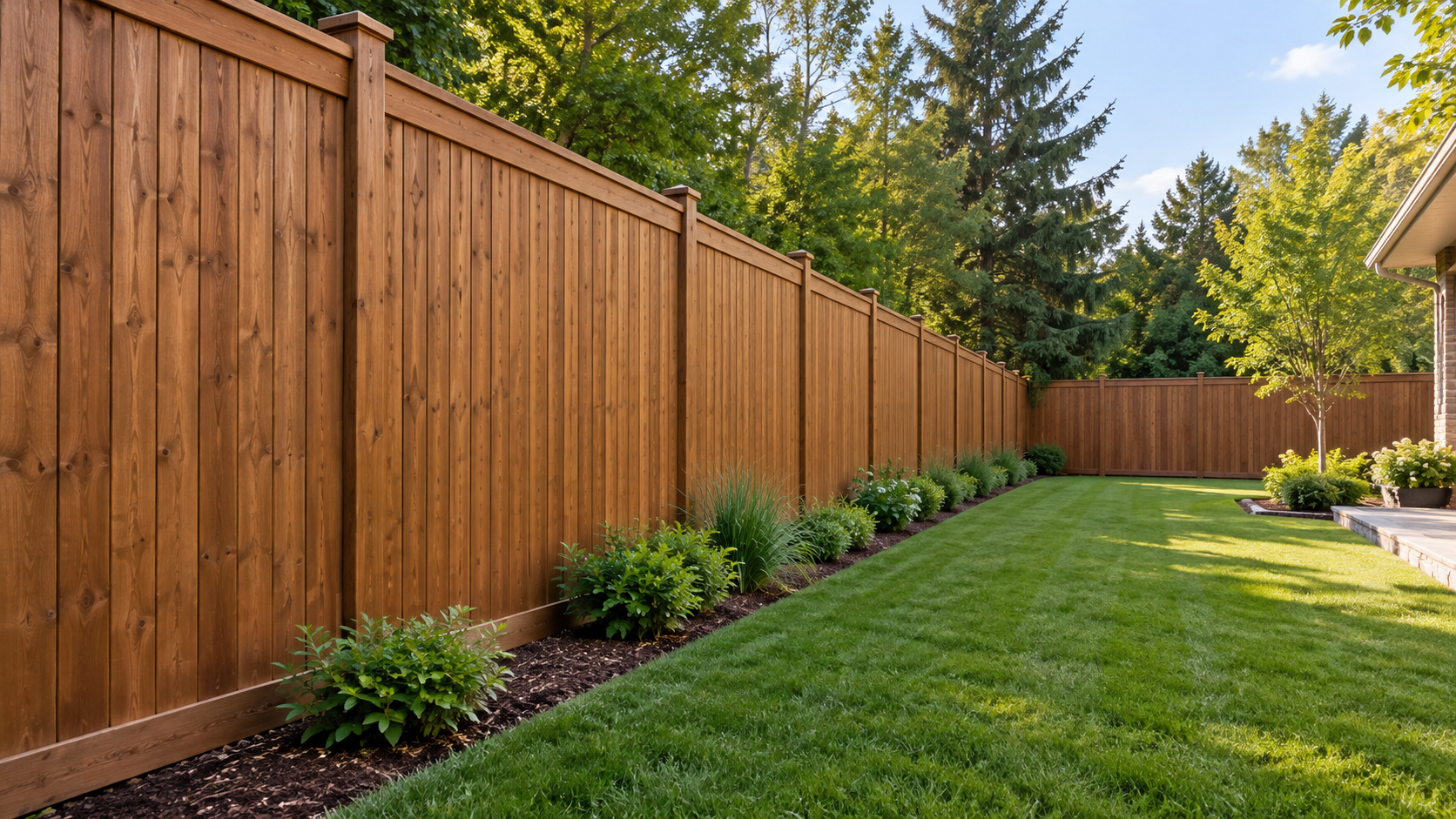
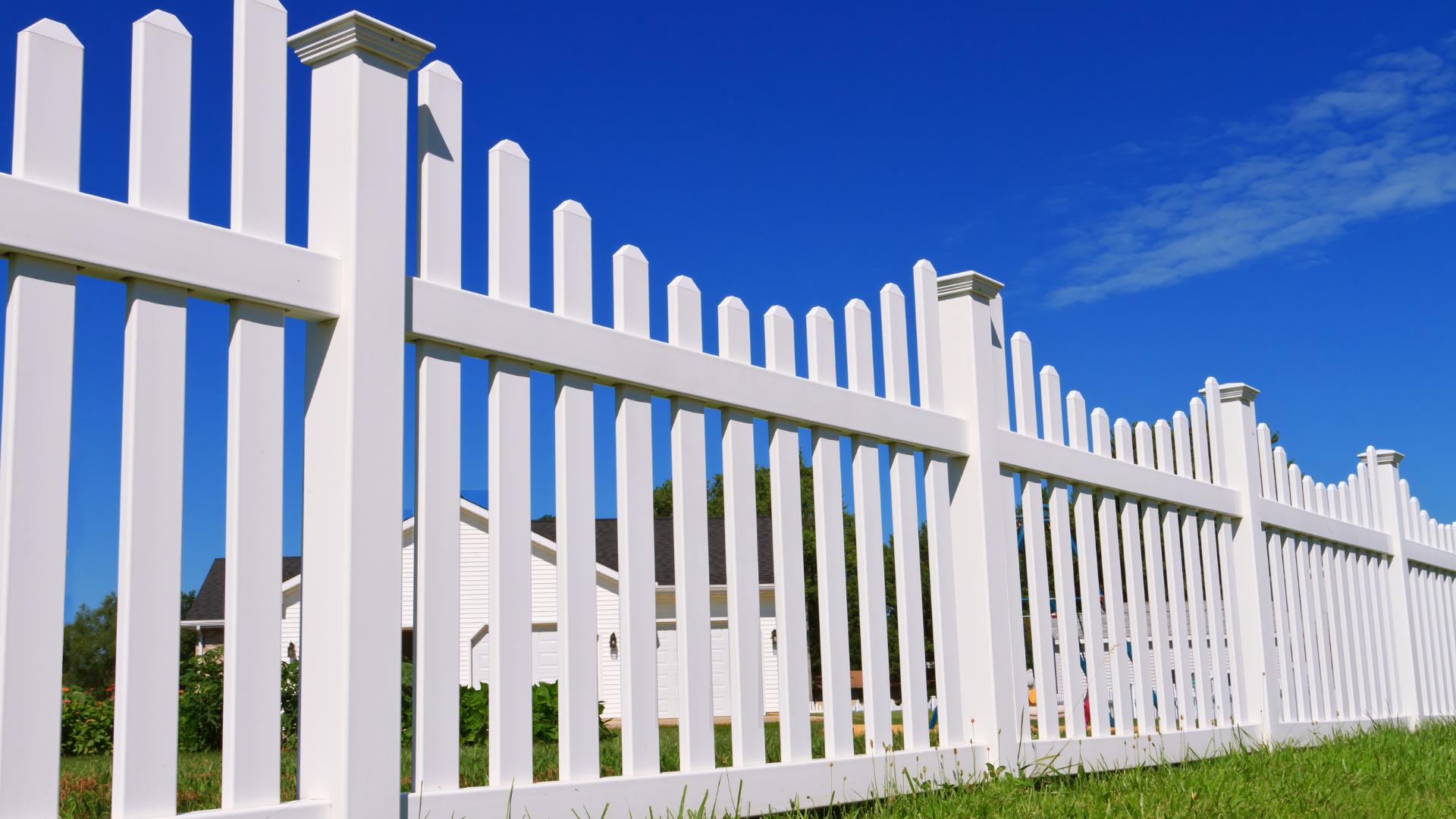
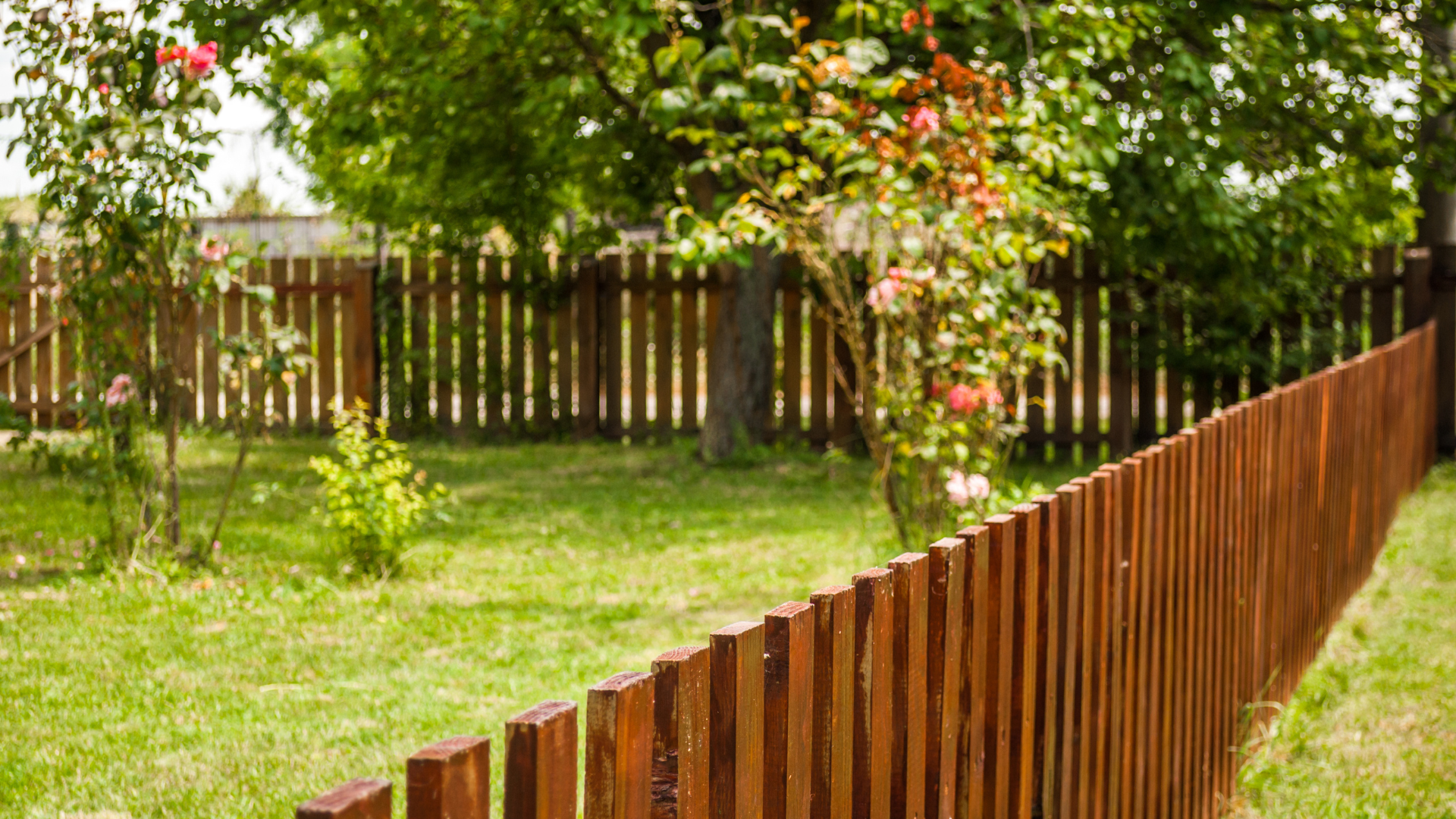
Identify Your Primary Purpose The most critical step is identifying exactly what you need the fence to do. If your goal is keeping a large dog contained, you need a tall, solid barrier with a heavy-duty latch that cannot be nudged open. If you are enclosing a pool, you are legally required to meet strict safety codes regarding height, picket spacing, and self-closing, lockable gate hardware. If you just want to mark a property line without blocking the view, a split-rail or classic picket fence is the perfect solution.
Complement Your Home’s Architecture Your fence should act as an extension of your home. A Victorian or Colonial house pairs beautifully with traditional white pickets or ornamental metal. A modern, minimalist home benefits from sleek horizontal wood slats or clean vinyl panels. A rustic farmhouse is perfectly framed by a post-and-rail setup. Matching the material and style to your home's existing design boosts curb appeal and property value.
Prioritize Gate Functionality People often spend weeks choosing fence panels while treating the gate as an afterthought. The gate is the only moving part of your fence, making it the most vulnerable point of failure. When choosing your fence, factor in the exact type of gate hardware you will need. Heavy privacy fences require industrial-duty hinges and galvanized drop rods to handle wind resistance and daily use. Selecting premium gate hardware from the beginning ensures you won't be dealing with dragging gates six months after installation.
Check Local Regulations
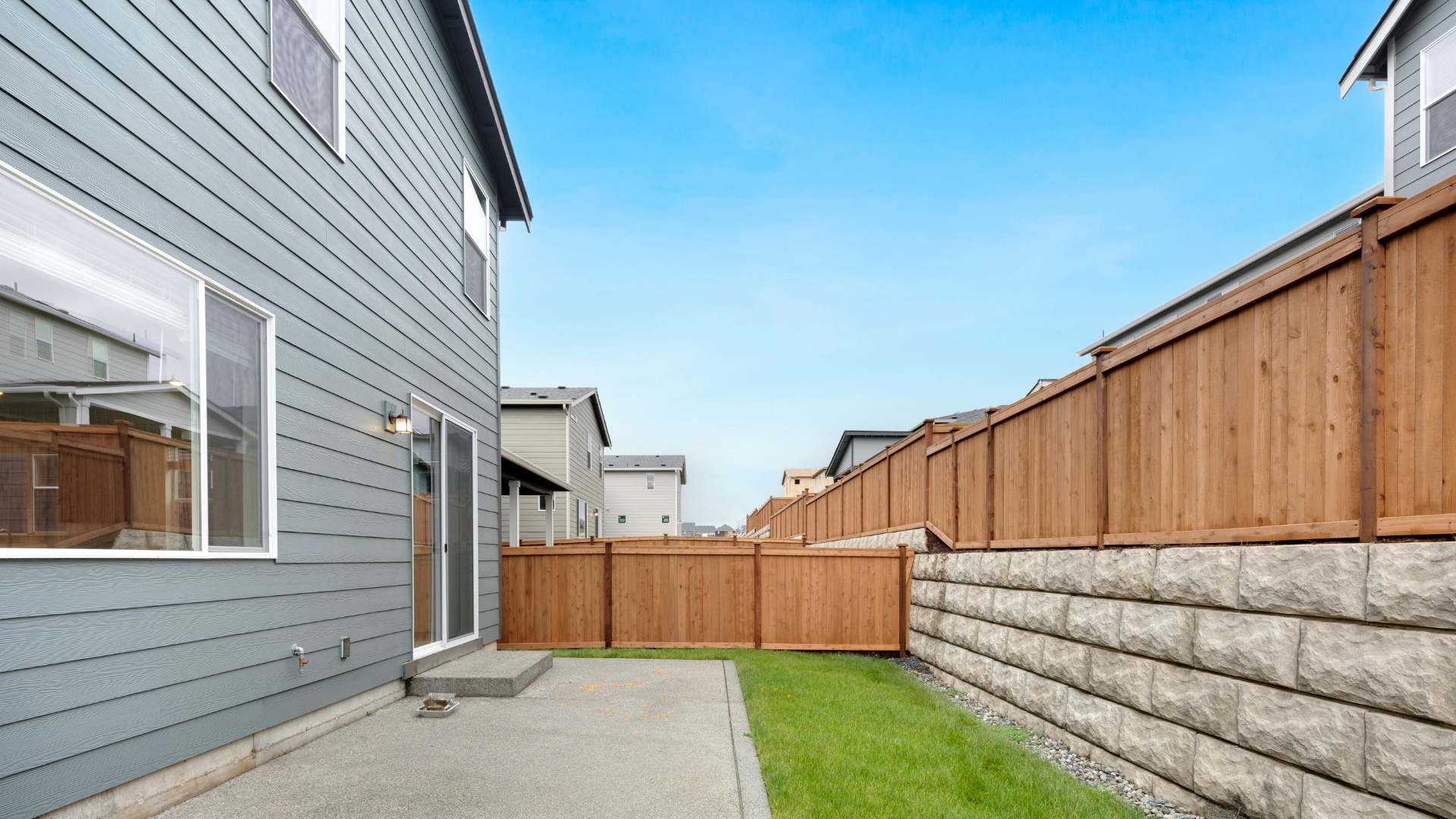
Always check the rules before finalizing a design. City zoning laws and HOAs often dictate maximum fence heights, approved materials, and how close to the sidewalk you can build.
By defining your primary need, matching your architectural style, and investing in structurally sound hardware, you guarantee a fence that performs perfectly and looks stunning for years to come.